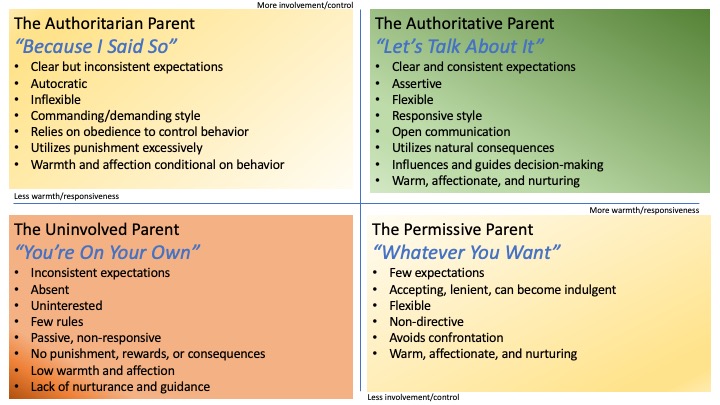
Adapting your natural parenting style to accommodate your child’s or teen’s needs is essential.
When you are having problems with your child often a parenting consultation is enough to help you understand both your child’s emotional needs and the impact your parenting style is having on your child. It’s important to ensure your parenting style is supporting healthy emotional growth and development because the way you interact with your child is the single most important factor in their lives. Together, we will discuss your family values, expectations, goals for you children, and other factors to identify which parenting style or blend of styles will work best for your family, especially now.
Often, many problems you have with your child can be solved by making some changes in how you parent but when that is not enough family therapy can help. Many parents become exasperated with their child or teen and want them to be ‘fixed’. It is unusual that seeing only the child will completely resolve the problems because all family members are affected by one member’s behavior. Now more than ever, parents are concerned or worried about their child.
With teens the stakes are even higher; driving, dating, social media, drug/alcohol use, inappropriate online or sexual relationships, or oppositional and defiant behaviors can make you feel that your parenting skills are inadequate to effectively manage these problems.
Knowing your child/teen is key. Look for:
- Persistent feelings of sadness, hopelessness or crying spells
- Isolation even within the family such as refusing or avoiding family meals
- Loss of interest in previously enjoyed hobbies and interests
- Significant and/or sudden changes in social media habits
- Persistent worry, anxiety or fearfulness causing inability to sleep, focus on schoolwork or otherwise engage in academic or family interactions in their usual manner
- Experiencing regular nightmares
- Constant anger, irritability, or tendency to over-react to situations
- Increase in aggression or any violence to self or others
- Expressing thoughts of self-harm
- Preoccupation with physical illness or their own appearance
- Worrisome change in sleeping or eating habits
- Development or worsening of obsessive thoughts or compulsive behaviors
- Inability to concentrate, think clearly, or make decisions
If you, your child or your teen is concerned, it is best to call for an initial consultation.